Food addiction during the FIFA World Cup season: What do young adults need to know and how to manage it?

By Christie Choueiri
LD, MSc Human Nutrition | Saint Joseph University
The FIFA World Cup season is often associated with excitement, social gatherings, late-night matches, and easy access to snacks, fast food, sweets, and sugary drinks. While food is part of social enjoyment, this period may also disturb regular eating patterns and increase loss of control around highly palatable foods.
What is food addiction?
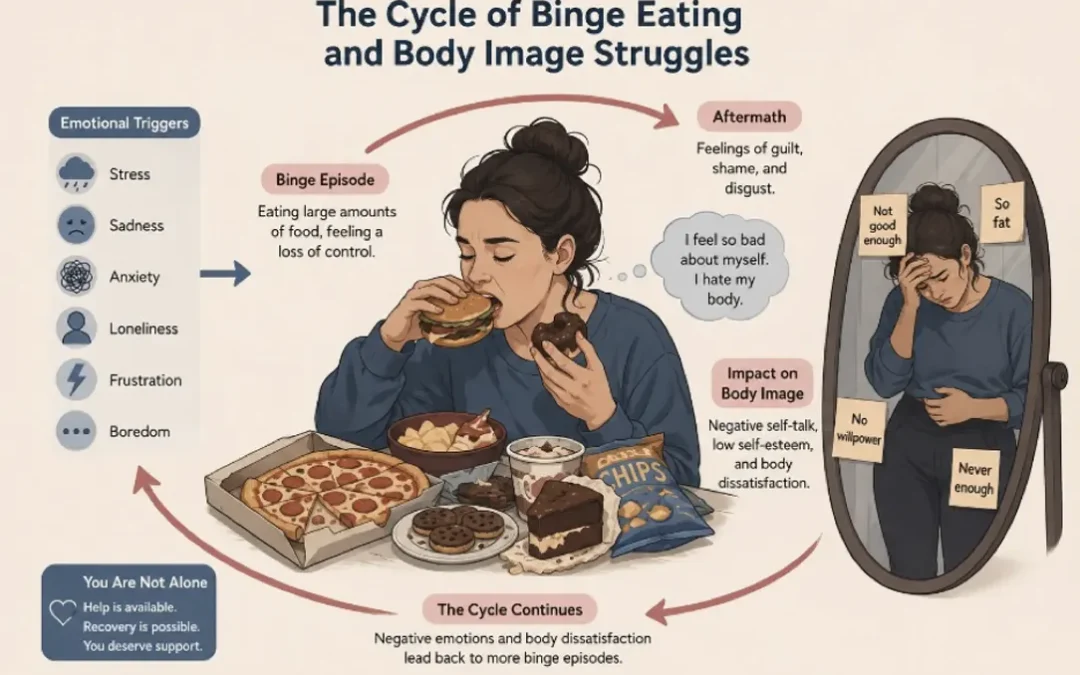
Food addiction refers to addictive-like eating behaviors, where a person may feel strong cravings, repeated thoughts about food, and difficulty controlling their intake. It is often related to overeating and loss of control around highly palatable foods, especially foods rich in sugar, fat, and salt. It may involve eating in response to emotions, feeling unable to stop, or continuing to eat even when the person feels uncomfortable or guilty afterward. It is often linked to overeating, difficulty controlling eating habits, and intense emotional eating behaviors. This means that some people may eat not only because they are physically hungry, but also because they are stressed, bored, sad, excited, or thinking constantly about food. Over time, this can make eating feel harder to control. Food addiction is influenced by psychological, emotional, and environmental factors, including food availability, emotions, and repeated exposure to highly rewarding foods.
Why can food addiction symptoms increase during the FIFA World Cup season?
During the FIFA World Cup season, several factors may contribute to stronger cravings and loss of control around food, such as:
- Pastries, packaged snacks, fast foods, and sweetened beverages are examples of ultra-processed foods that are common during football gatherings.
- Ultra-processed foods may have addictive properties, especially when they are easily available during social events.
- Food addiction is often linked to intense eating-related thoughts, which may increase during exciting, stressful, or disappointing matches.
- Late-night matches may disturb eating routines, especially since chronotype is related to food intake timing and eating behavior regulation.
- Easy access to snacks and repeated food advertisements during games may increase cravings and mindless eating.
These behaviors can result from the interaction between emotions, eating-related thoughts, food availability, and the rewarding nature of ultra-processed foods.
How can food addiction affect eating habits and well-being?
When food addiction symptoms become frequent during the World Cup season, they may affect both eating habits and emotional well-being. Young adults may experience:
- Overeating and difficulty in controlling eating habits
- Intense eating-related thoughts
- Emotional eating behaviors
- Cravings and loss of control around ultra-processed foods
During important matches, some individuals may be more likely to eat in response to stress, excitement, or boredom rather than physical hunger.
What can young adults do to manage food addiction symptoms during the World Cup season?
Food can still be enjoyed during games, but small strategies can help reduce loss of control and support a healthier relationship with eating.
- Plan meals and snacks before the game
- Be aware of emotional triggers and recognize whether eating is related to hunger, stress, boredom, or excitement.
- Choose satisfying snacks, such as vegetables, crackers, hummus/labneh dips, fruits, and homemade popcorn.
- Avoid an all-or-nothing mindset: The goal is not guilt or restriction, but learning which foods or situations trigger loss of control.
- Stay active between games: Add small movements like walking, stretching, or light exercise instead of sitting for long periods.
In conclusion, the FIFA World Cup season can be a joyful and socially meaningful period, but it can also create an environment that encourages cravings, emotional eating, and loss of control around highly palatable foods. Understanding these triggers and applying simple coping strategies can help young adults enjoy the games while maintaining a healthier and more balanced relationship with food.
References:
- Alfayad K, Murray RL, Britton J, Barker AB. Population exposure to alcohol and junk food advertising during the 2018 FIFA world cup: implications for public health. BMC Public Health. 2022 Dec;22(1):908. doi:10.1186/s12889-022-13233-6
- Rossi A. Tying Food Addiction to Uncontrolled Eating: The Roles of Eating-Related Thoughts and Emotional Eating. Nutrients. 2025 Jan 21;17(3):369. doi:10.3390/nu17030369
- Wiss DA, LaFata EM. Ultra-Processed Foods and Mental Health: Where Do Eating Disorders Fit into the Puzzle? Nutrients. 2024 Jun 19;16(12):1955. doi:10.3390/nu16121955